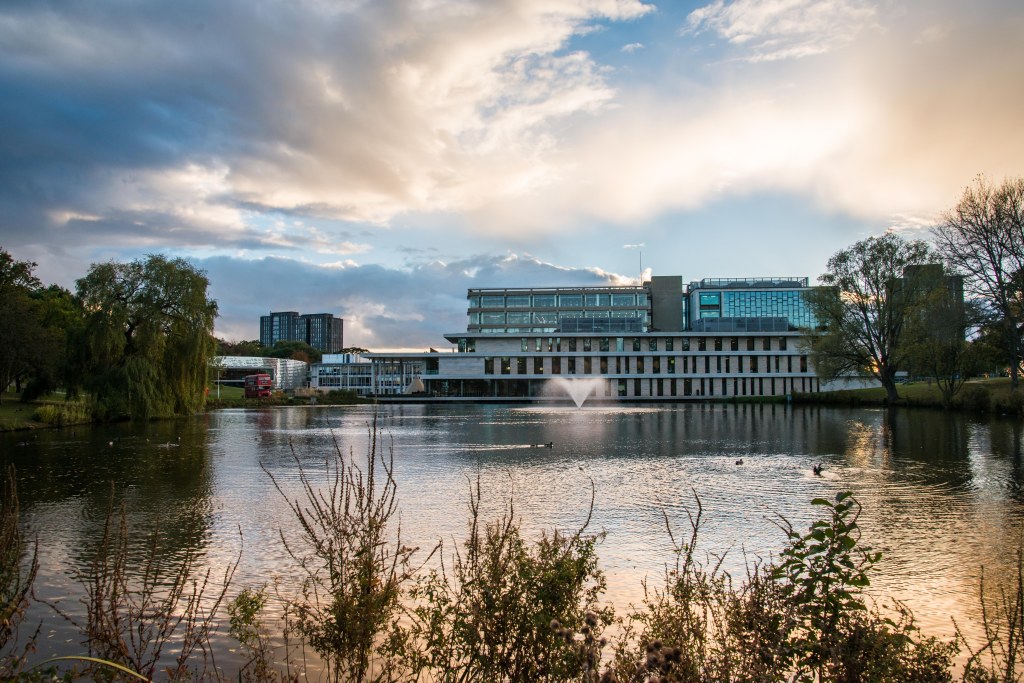

On this page of the Social Neuroscience of Human Attachment (SoNeAt) Lab’s website you can meet our current lab members and associates (sometimes co-supervised in collaboration with other PIs) and learn about their research topics.
The SoNeAt Lab is very happy and proud to be working with a variety of postdoctoral researchers, PhD students, MSc students, BSc students as well as RAs & voluntary study supporters.
Many of them are based at the SoNeAt Lab as part of the Centre for Brain Science, Department of Psychology, University of Essex in Colchester, United Kingdom, with Dr Pascal Vrtička as their primary supervisor. Others are based at different departments and universities with Dr Pascal Vrtička acting as their co-supervisor or close collaborator.
Please see below for a list of all SoNeAt Lab members and associates as well as more information about their research projects
Postdoctoral Researchers
Inês Rodrigues

PostDoc / Senior Research Officer (2026-present) at the Department of Psychology, University of Essex.
Ines has been appointed to work on the collaborative international SWITCH Project (Targeting Social Wellbeing to Improve Transitions to School) funded by NORFACE & Chance (UKRI/ESRC within the UK). She uses fNIRS hyperscanning in parent-child and child-peer dyads and relate interpersonal neural synchrony to measures of family functioning and child social wellbeing.
Ines was formerly a PhD student in association with the Faculty of Medicine of the University of Coimbra and Coimbra Institute for Biomedical Imaging and Translational Research (CIBIT), Portugal (supervised by Dr Teresa Sousa and Prof Miguel Castelo Branco).
PhD / PGR Students
Ricky Chmitorz

PhD student (2023 – present) at the Department of Psychology, University of Essex.
Ricky is using fNIRS hyperscanning in families, including children with adverse early life experiences, as part of our TRIO Studies. His research is made possible through a close collaboration with The Synapse Centre for Neurodevelopment, which operates from the Research and Development Department at the UK National Health Service (NHS) East Suffolk and North Essex NHS Foundation Trust (ESNEFT).
Laura Mtewele

PhD student (2023 – present) at the Department of Psychology, University of Essex.
Laura is using fNIRS hyperscanning in families, including neurodivergent children, as part of our TRIO Studies. Her research is made possible through a close collaboration with The Synapse Centre for Neurodevelopment, which operates from the Research and Development Department at the UK National Health Service (NHS) East Suffolk and North Essex NHS Foundation Trust (ESNEFT).
Nadia Curtis

PhD Student (2025 – present) at the Department of Psychology, University of Essex.
Nadia is using fNIRS hyperscanning in parent-child and child-peer dyads in association with measures of children’s wellbeing and school readiness in association with our collaborative international SWITCH Project (Targeting Social Wellbeing to Improve Transitions to School) funded by NORFACE & Chance (UKRI/ESRC within the UK). For her PhD project, Nadia has been awarded with a SENSS studentship.
Lucas Canga

PhD student (2024 – present) at the Department of Psychology, University of Essex.
Lucas is using fNIRS hyperscanning in the context of an attachment-informed leadership (AIL) framework as part of an emerging Centre for Attachment-Informed Leadership Studies (CALS). He is looking at attachment, empathy, and theory of mind within employer-employee work relationships.
Anna Dearman
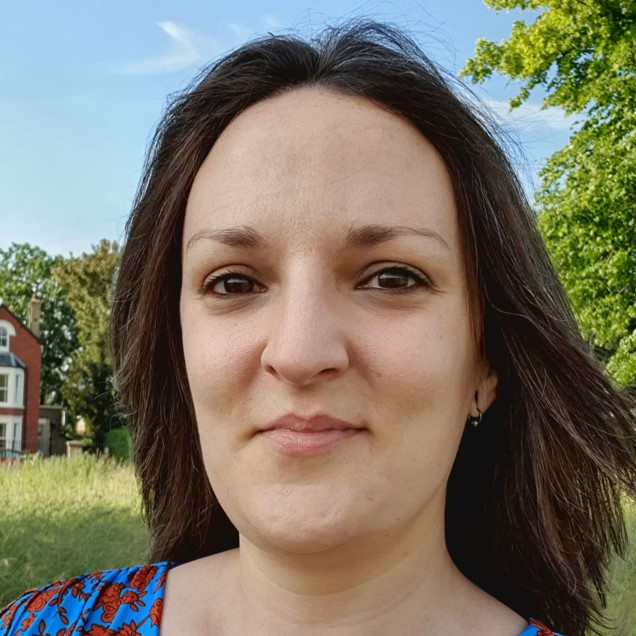
PhD student (2023 – present) on the Soc-B programme at the University of Essex, co-supervised by Professor Leonard Schalkwyk, Professor Meena Kumari, Dr Jamie Moore and Dr Pascal Vrtička.
Anna is using longitudinal population surveys (including Understanding Society) to understand the links between adverse childhood exposures and genetic markers.
Anil Karabulut
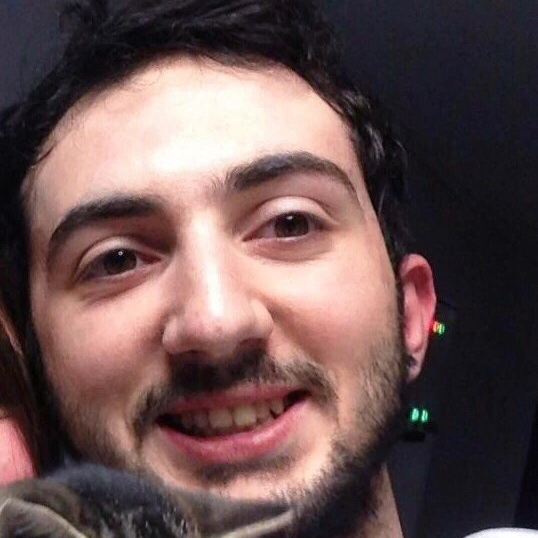
PhD student (2021 – present) based at the IMT School for Advanced Studies Lucca, Italy (Prof Luca Cecchetti), co-supervised by Dr Pascal Vrtička.
Anil is investigating the links between interindividual differences in attachment and structural brain scans as part of our CARE Studies. He is also using fNIRS hyperscanning in families from an attachment perspective as part of our TRIO Studies.
Antonella Arrieta

PhD student (2023 – present) based at the Laboratorio de Neurociencias, Universidad de la República de Uruguay, Montevideo (Prof Ana Silva), co-supervised by Dr Pascal Vrtička.
Antonella is investigating the synchronisation of biological rhythms in the mother-child and father-father dyad with a special focus on circadian rhythms and the sleep-wake cycle. One part of her project also involves the use of fNIRS hyperscanning to assess interpersonal neural synchrony in families from an attachment perspective as part of our TRIO Studies.
Charlotte Schulz

PhD student (2017 – present) based at the University of Leipzig (Prof Lars White) and the International Max Planck Research School on Neuroscience of Communication: Function, Structure, and Plasticity (IMPRS), co-supervised by Dr Pascal Vrtička.
Charlotte is investigating the functional and structural brain correlates of early adversity in adolescents, particularly focusing on a dissociation of physical versus emotional maltreatment/abuse and neglect related to attachment disruption.
Dorukhan Acil

PhD student (2020 – present) based at the University of Leipzig (Prof Lars White) and the International Max Planck Research School on Neuroscience of Communication: Function, Structure, and Plasticity (IMPRS), co-supervised by Dr Pascal Vrtička.
Dorukhan is investigating brain activity in parents playing an interactive ball-tossing game with their children, also linked to interindividual differences in attachment and caregiving as part of our CARE Studies.
Mathilde Gallistl

PhD student (2019 – present) based at the University of Leipzig and the International Max Planck Research School on Neuroscience of Communication: Function, Structure, and Plasticity (IMPRS; Prof Veronika Engert), in close collaboration with Dr Pascal Vrtička.
Mathilde is investigating bio-behavioural synchrony in romantic couples under stress, also in association with their attachment representations.
Angelika Bracher
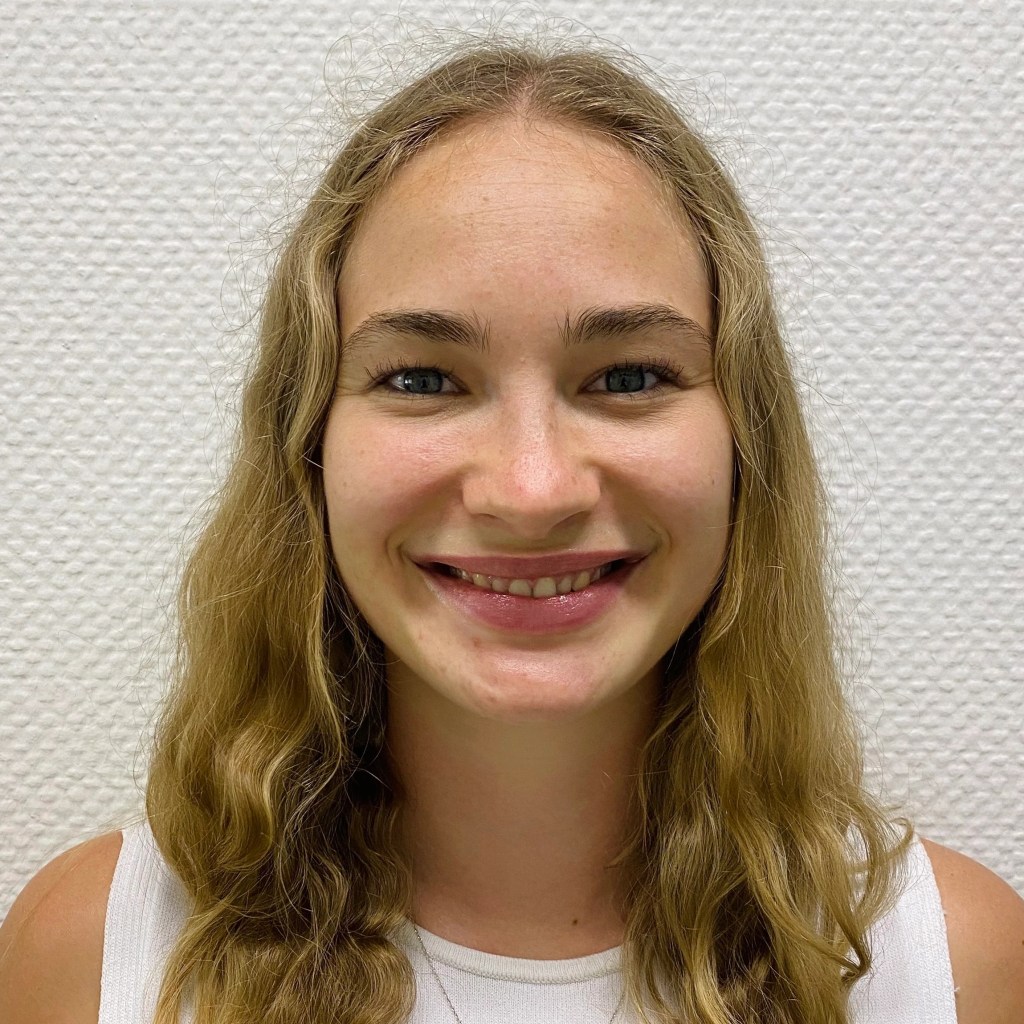
PhD student (2023 – present) based at the University of Leipzig (Prof Lars White) and the International Max Planck Research School on Neuroscience of Communication: Function, Structure, and Plasticity (IMPRS), co-supervised by Dr Pascal Vrtička.
Angelika is investigating brain activation in parents when they see emotional expressions of their own versus an unknown child, also in relation to individual differences in parental attachment & caregiving as well as child parental representations. These data were obtained as part of our CARE Studies.
Astrid Karner
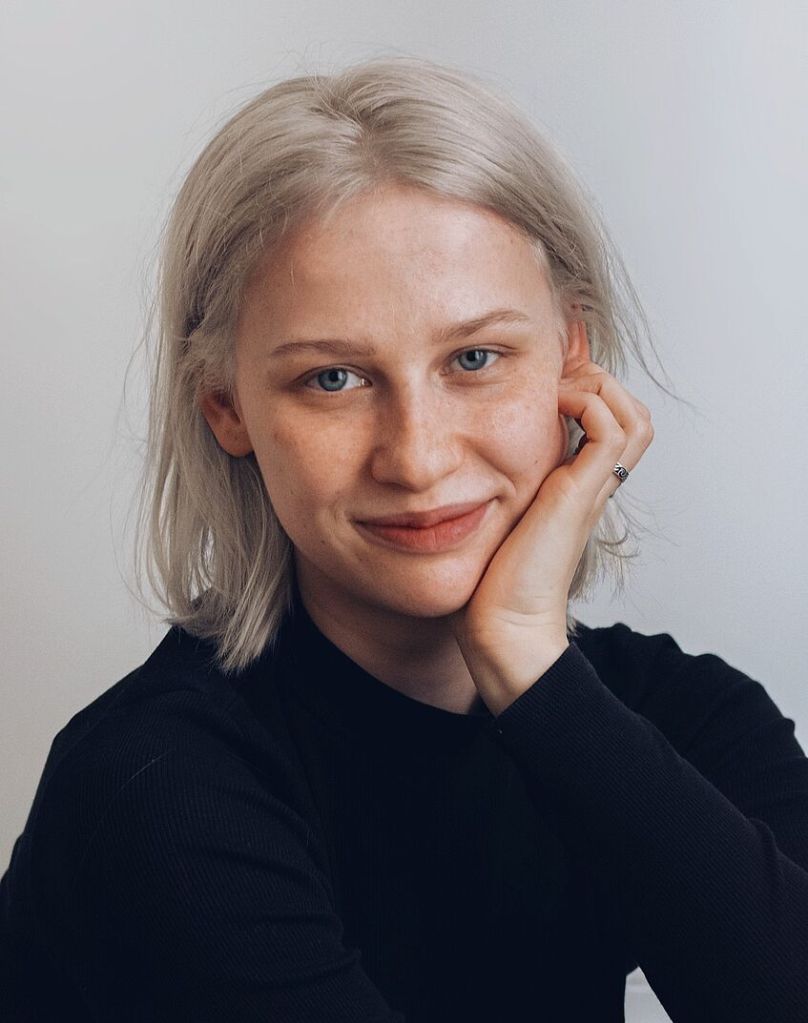
PhD student (2025 – present) based at the University of Vienna (Prof Stefanie Hoehl), co-supervised by Dr Pascal Vrtička.
Astrid is working on the Austrian branch of the SWITCH Project (Targeting Social Wellbeing to Improve Transitions to School) funded by NORFACE & Chance using fNIRS hyperscanning in parent-child and child-peer dyads in association with measures of children’s wellbeing and school readiness.
Research Assistants (RAs) & Voluntary Study Supporters
Please see here how to get in touch with Dr Pascal Vrticka if you would like to participate in SoNeAt Lab’s research as an RA or Voluntary Study Supporter.
PGT (both PhD and MSc) and UG (BSc) Students
PGT / MSc Students

Several PGT / MSc Students are working in association with the SoNeAt Lab every year to complete their MSc dissertation projects. Topics vary but are mostly related to attachment and other measures of personality and attitudes.
UG / BSc Students
Several UG / BSc Students are working in association with the SoNeAt Lab every year to complete their undergraduate / BSc psychology dissertation research projects.
 Dr Pascal Vrticka (PhD, FHEA)